Tag: #education
-
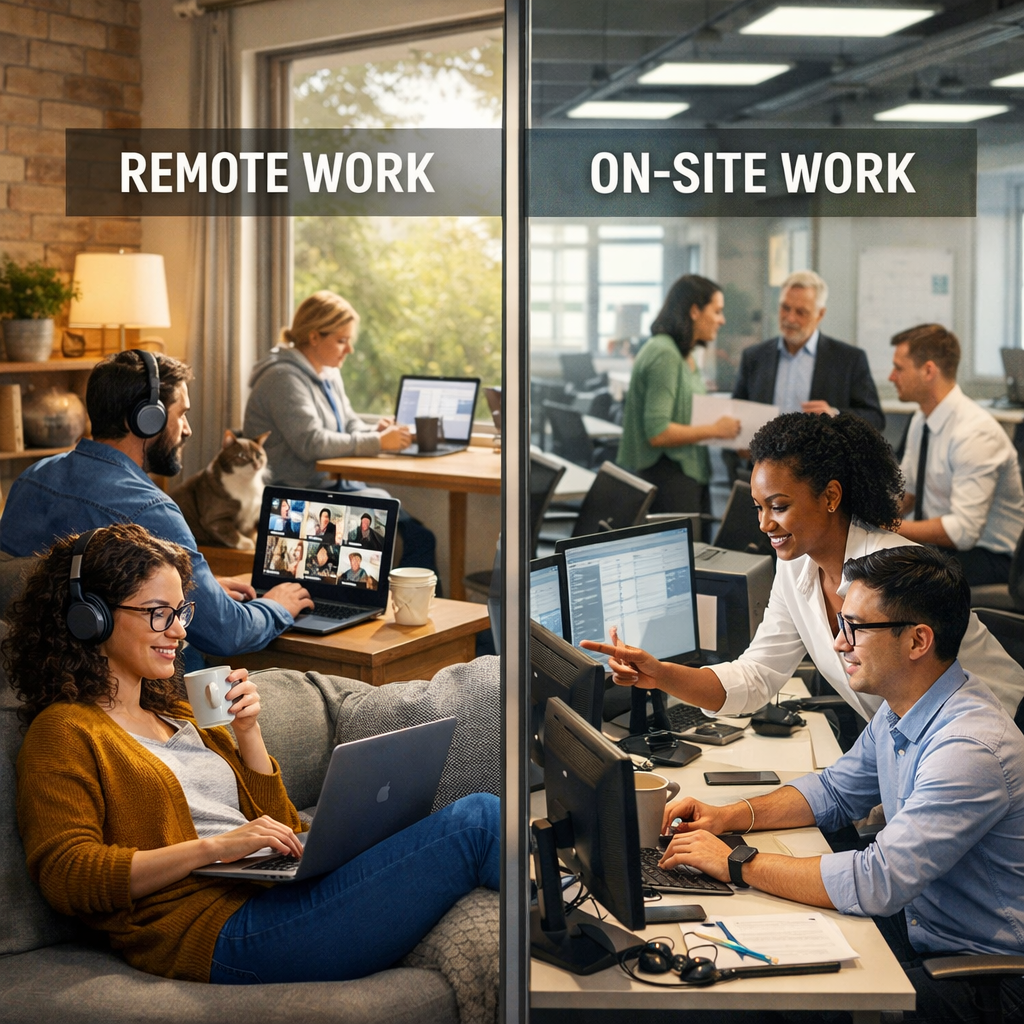
Reimagining Remote Work for Neurodivergent Employees
Remote and hybrid work is increasingly exclusive to leaders, leaving many neurodivergent employees, who thrive in flexible environments, disadvantaged. This inequality hinders engagement and productivity, contributing to burnout. Organizations that prioritize inclusive work structures can enhance innovation and performance, underscoring the need for equitable access to remote work across all levels.
-

How Remote Work Empowers Neurodiverse Talent
Remote work significantly benefits neurodivergent employees by providing environments conducive to their productivity. It reduces sensory overload and enhances autonomy, leading to better performance and job satisfaction. As organizations adapt to flexible work arrangements, they retain valuable neurodivergent talent, turning cognitive diversity into a competitive advantage and improving overall productivity.
-

Reducing Barriers for Remote Employees: A Neurodivergent Perspective
Operational isolation hinders remote employees, particularly neurodivergent individuals, by creating barriers to essential resources and support. This scenario can elevate stress and cognitive demands, leading to burnout. To counteract these challenges, both employees and organizations should implement structured workflows and accessible support systems tailored for remote work to ensure clarity and reduce anxiety.
-

Combating Cultural Isolation for Remote Neurodivergent Workers
Cultural isolation affects remote workers, especially neurodivergent professionals, by disconnecting them from organizational values and norms. This disconnection increases cognitive load and decreases engagement. Strategies to combat isolation include documenting norms, utilizing asynchronous check-ins, and structuring meetings. Leaders can foster inclusivity by codifying culture and pairing newcomers with mentors.
-

How Remote Work Supports Neurodivergent Women
March, Women’s History Month, highlights the impact of remote work on women’s economic security, particularly for caregivers and neurodivergent individuals. While women shoulder the majority of unpaid caregiving, remote roles can alleviate systemic barriers, enhancing workforce participation and professional identity. Flexibility in work settings benefits all, acknowledging diverse needs.
-

Breaking Down Barriers for Neurodivergent Workers
Structural isolation negatively impacts neurodivergent professionals in remote work settings by hindering their access to information and support. This results in increased detachment and cognitive strain. To combat this, organizations should adopt neuroinclusive practices like clear documentation, asynchronous communication, and structured meetings to enhance engagement and leverage the unique strengths of neurodivergent workers.
-

Combatting Informational Isolation in Hybrid Work Environments
Informational isolation affects remote and hybrid workers by limiting their access to crucial informal communication, impacting decision-making and collaboration. This issue disproportionately affects neurodivergent employees, leading to increased cognitive load and reduced career visibility. Organizations must implement strategies to ensure inclusive communication and mitigate the risks associated with remote work.
-

Inclusive Strategies for Neurodivergent Employees in Remote Work
Geographic isolation poses significant challenges for neurodivergent remote workers, exacerbating feelings of disconnection and loneliness. To address this, structured communication, self-advocacy, and participation in supportive communities are essential. Leaders can foster inclusivity by prioritizing clear communication, predictable structures, and promoting neurodiversity awareness, crucial for enhancing team cohesion and performance.
-

Strategies to Combat Remote Work Isolation for Neurodivergent Individuals
Professional isolation is a significant challenge for remote workers, particularly neurodivergent individuals who may experience heightened feelings of disconnection. This affects their access to mentorship and opportunities. Implementing structured communication and advocating for supportive environments can help mitigate these issues, fostering a more inclusive and connected workplace.
-

Boosting Success for Neurodivergent Students: Key Strategies
Public schools significantly influence long-term opportunities for neurodivergent students, often creating barriers that impact their academic and career success. Inclusive practices and targeted supports, such as Universal Design for Learning and early transition planning, can improve outcomes. Effective interventions benefit both K-12 and higher education systems, enhancing overall quality of life.

